Farm to ECE is a movement to enhance the health of young children and their families through food-based education, 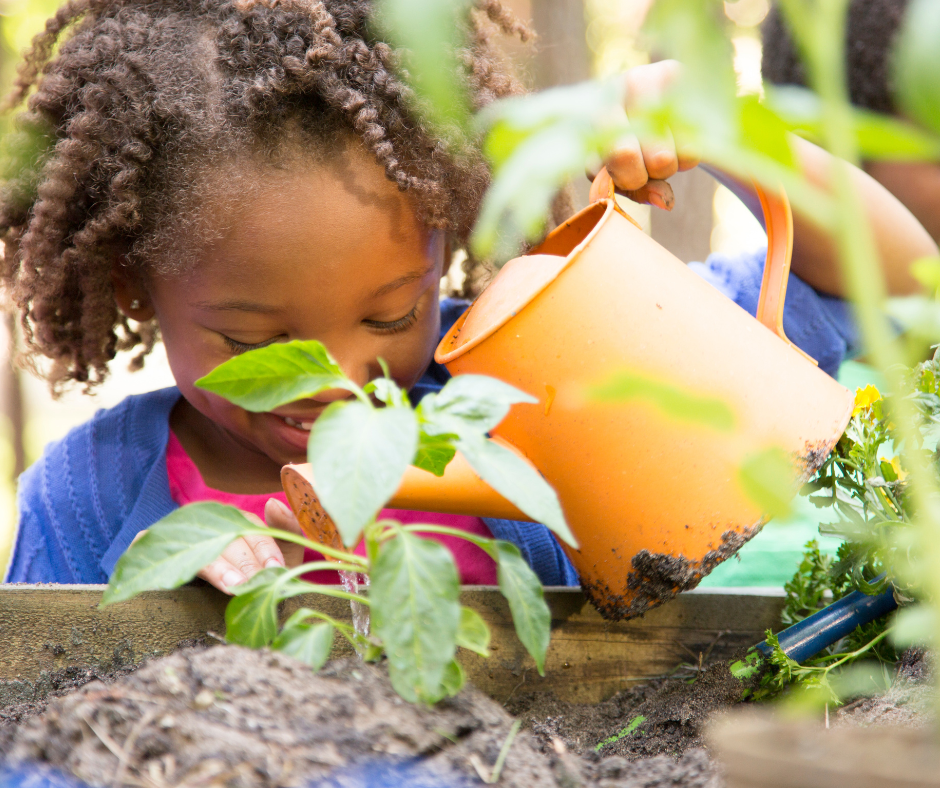 local foods in meals and
snacks, and gardening activities. This movement promotes a healthy environment by:
- Encouraging children to eat more fruits and vegetables and build a deeper connection with food
- Guiding families toward healthy eating at home
- Purchasing more local foods
- Strengthening community connection by supporting rural economies and connecting people to healthier foods.
Local Foods Are…
Grown and sourced locally, fresher, more nutrient-dense, and higher in quality. Some local foods may include fruits, vegetables, lean meats, eggs or seafood, dairy, grains, herbs, and dry beans or peas.
Why It Matters in ECE Programs
Learning skills like gardening can help you grow clean, fresh produce cost-effectively. Serving a variety of local foods offers many benefits, including exposing children to fruits and vegetables and increasing their willingness to try new foods. As an early childhood educator, you can offer educational activities focused on local foods and farming, engage families through communication, promote local foods, and purchase them to use in meals and snacks.
Practical Strategies
If you’re getting started serving local foods, explore some practical strategies below for getting children excited and making the transition in your program.
Educate Children About Locally Grown Food
- Teach children about locally grown foods and where their food comes from. A great way to do this is by having children participate in taste-testing activities. Turn it into a fun game where they guess foods and learn more about their origin before trying them.
- Plant or work in an edible garden. This can build comfort and curiosity before trying something unfamiliar! Use these freshly harvested or local ingredients in simple cooking classes and sensory taste tests.
- Incorporate food and agriculture education into activities. Ways to do this consist of reading farm-themed books, writing plant journals, or completing agriculture-inspired crafts.
Serve Local Foods in Meals and Snacks.
- Buy a mix of fresh local foods and canned or frozen foods.
- Recognize in-season foods and use their availability to guide purchasing.
Update Your Kitchen Equipment
Make more space to prepare and store more fresh foods. Organization is key. Consider investing in:
- A chef’s knife
- Vegetable peeler
- Knife sharpener
- Vegetable chopper
- Food processor
Farm to ECE is more than bringing a fresh vegetable to the table; it is paving the way for a movement that can shape how children and families understand health, food, and their community. By introducing children to locally grown foods through meals, gardening, and hands-on education, ECE programs can help them develop healthy eating habits and build a meaningful connection to where their food comes from. These experiences can also encourage families to explore healthier foods at home and become more interested in purchasing fresh, locally sourced products. At the same time, choosing local foods creates opportunities to support small farmers and strengthen the local economy. Farm to ECE brings together nutrition, education, agriculture, and community in a way that benefits more than just the child sitting at the table.